
Note: This article refers to women throughout for ease of reading but also includes birthing people too
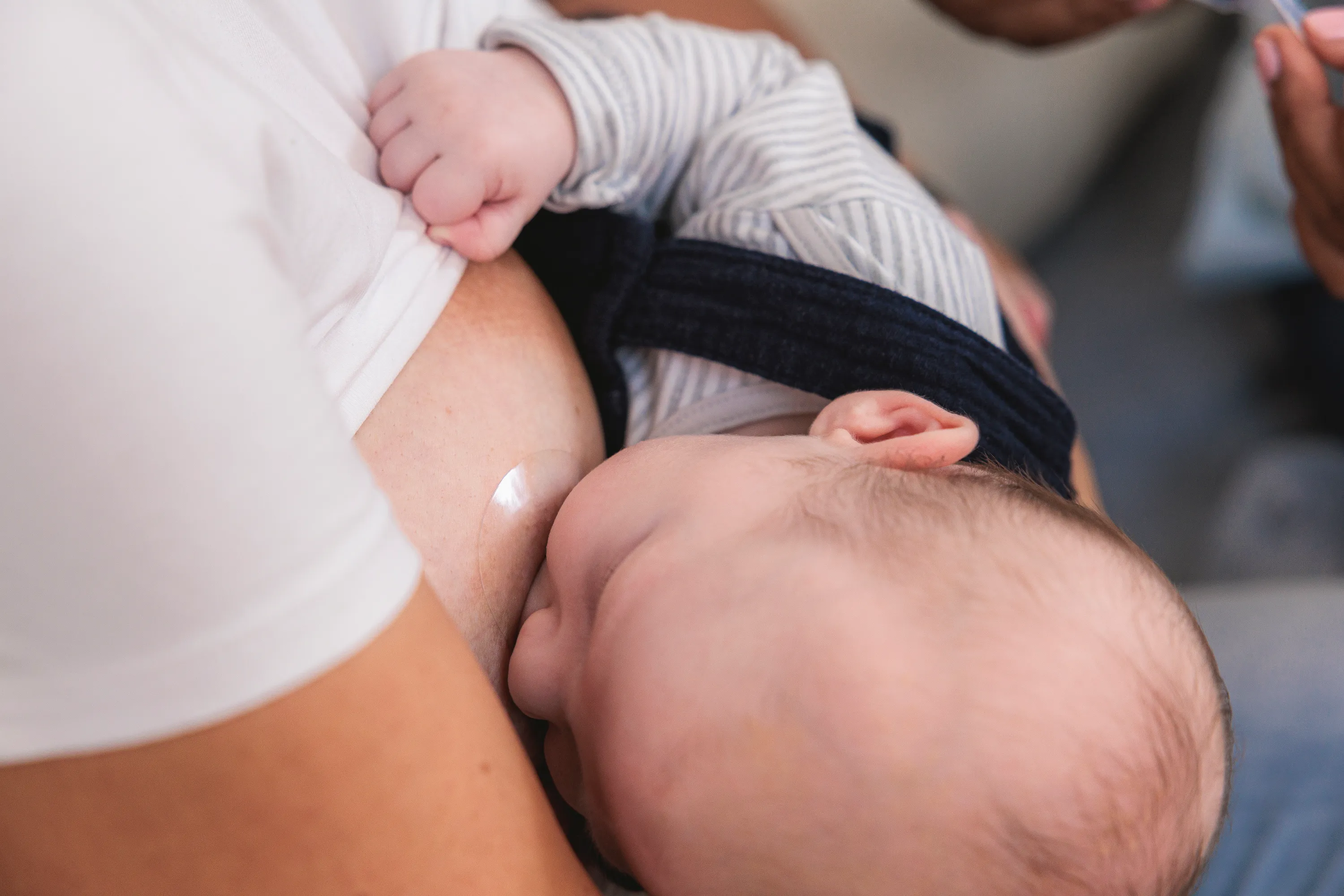
Birth trauma is experienced by around 1 in 3 women in the UK, with around 1 in 20-25 women in total developing Post Traumatic Stress Disorder PTSD.1,2 One of the many consequences of experiencing birth trauma is the impact of birth trauma on breastfeeding initiation and longevity. This can be due to pain, discomfort, psychological distress, recovery and in addition distrust in body and/or distrust in the medical system to seek out support. Mothers who report having a better birth experience are more likely to initiate breastfeeding and breastfeed for a longer duration.3 Women who experience birth trauma should be provided with additional support to initiate breastfeeding for those women who want to breastfeed, as well as given the support to continue breastfeeding for as long as they choose to do so.
Lactogenesis
Lactogenesis is the process of milk secretion and the changes which occur in the alveolar cells within the breasts. There are two stages to lactogenesis: (I)the secretory initiation and (II) secretory activation.4
Stage (I) can take place as early as 16 weeks of pregnancy and enables many women the ability to be able to harvest colostrum within pregnancy.3
Stage (II) begins with the removal of the placenta causing a sudden reduction in the hormone progesterone and an increase in prolactin, cortisol and insulin. Prolactin is the hormone made in the anterior pituitary gland and is responsible for mammary gland ductal growth. This causes milk production following breast and nipple stimulation from the baby, the mother’s hand or a device such as a breast pump.
Oxytocin is another key hormone component in breastfeeding. When oxytocin is released, contraction of the myoepithelial cells occurs enabling what is known as ‘the let down’. Both prolactin and oxytocin are in the highest quantity at night. Oxytocin can create a calming impact, reduce stress, aid with bonding, attachment and is the hormone responsible for the feeling of love. The release of oxytocin can also influence the release of other neurotransmitters and hormones within the body such as adrenaline, dopamine, serotonin and opioids.4,5
Colostrum is the first milk produced during pregnancy, followed by transitional milk ‘coming in’ on average between 3-5 days postpartum and mature milk is produced around 2 weeks following birth until the cessation of breastfeeding and/or expressing.3
The physiological aspects of stress on milk
Finally, women who experience postpartum haemorrhage, or experience anaemia either during pregnancy or postpartum also are more likely to experience reduced milk volumes highlighting the link between obstetric complications and maternal nutrition and the body’s ability to adequately produce breastmilk.8,9,10
From the current available research, prolactin production in the postnatal period appears to not be influenced or impacted by maternal trauma or stress. Prolactin levels can however be impacted by other maternal health conditions. In addition, the higher serum prolactin levels appear to be related to reduced stress and mood variables postnatally. Higher serum prolactin levels in women who breastfeed has been correlated to a reduced rate of postpartum depression during breastfeeding.11
Babies’ oxytocin levels regardless of mode of birth are higher in the first thirty minutes following birth than their mothers. However, babies who are born vaginally have higher oxytocin levels in the cord than babies who are born via a caesarean birth.12 In addition, babies who have endured high levels of stress during the intrapartum period where the arterial blood pH has decreased also have reductions in oxytocin levels in the cord, highlighting the impact of stress on the baby’s oxytocin levels.7
It is also important to consider the delay in the initiation of lactation and the impact of the drop in blood pH and the baby's ability to latch in the postnatal period following a traumatic birth and the effect this has on stimulating lactogenesis.7
In addition, where there have been medications within the intrapartum period, this can also have an impact on the baby’s ability to attach and remain alert enough to adequately feed at the breast.13 During chronic or prolonged periods of stress, the fetus will use up their fat stores as a mechanism for coping during the labour process. This in itself can increase the chance of hypoglycaemia in the baby following birth which in turn can cause drowsiness along with other symptoms of hypoglycaemia in the baby. Clinical signs and symptoms of hypoglycaemia can further decrease the likelihood of the baby directly feeding at the breast and increasing the chance of formula supplementation too.14
Women’s experience of birth trauma and breastfeeding
Women who experience birth trauma are less likely to initiate breastfeeding, instead opting for infant formula to feed their baby, or alternatively choose to combination feed and supplement breastfeeding with formula milk. In one cross sectional survey study of 3080 women, for each point increase in birth trauma reported by women, there was an 8% increased chance of either combination or exclusively formula feeding.3 Further research has found women who experienced birth trauma were more likely to report ending the breastfeeding when they experienced pain and discomfort compared to women who did not have birth trauma but experienced pain during breastfeeding.8 In addition, other research using survey designs have also found women who experience birth complications such as fetal distress, slow labour progress, caesarean birth and postpartum haemorrhage are more likely to have a shorter breastfeeding duration compared to mothers who did not experience birth trauma.14
From the qualitative research available, women who experience birth trauma will navigate one of two journeys on the initiation of breastfeeding. Either they will be determined to ensure breastfeeding becomes a success, and regardless of the challenges faced in the postnatal period do everything possible to breastfeed as long as physically possible, or alternatively the trauma can cause distressing symptoms. Qualitative research undertaken with 52 women who experienced birth trauma highlighted many key themes including the determination for breastfeeding to succeed, trying to ‘make up’ for the traumatic arrival, helping to heal after the trauma, the detachment from the baby, flashbacks of the birth whilst feeding and the impact on bonding, enduring breastfeeding pain, the impact of the trauma on milk supply and the violation of another body part following the trauma.15
On a positive aspect, women who do breastfeed and manage to breastfeed can be positively impacted from breastfeeding their baby following a traumatic birth. Salivary cortisol levels of women decrease following breastfeeding, highlighting the positive impact breastfeeding following stress or trauma can play in reducing maternal stress.16 Longer term studies highlight the reduction in maternal postnatal mental health disorders for women who breastfeed ‘successfully’, compared to women who formula feed or end their breastfeeding journey before they had intended to. 17,18,19
Supporting parents following birth trauma to reduce the impact on milk production in the postnatal period
Skin to Skin has been shown to increase maternal oxytocin levels in the postnatal period, with continued daily skin to skin throughout the first two months having a positive impact on mental wellbeing and a reduction in postpartum depression.20,21 Supporting parents to undertake skin to skin regardless of mode of birth or feeding method can positively impact on maternal oxytocin levels.
Supporting parents to feed their baby responsively, ensuring good latch, attachment and regular feeding to stimulate the onset and continuation of lactogenesis two can help to increase the production of prolactin and oxytocin levels.
Breastfeeding in the first hour following birth has been found to increase milk volume and supply in the postnatal period. In addition direct breastfeeding in the first hour following birth has also been shown to be a protective factor for women in developing PTSD, along with partner support.22
Where direct breastfeeding is not possible, for example where the baby is in a neonatal unit, then encouraging stimulation of the breasts through hand expression or expressing using a pump in the first hour following birth will help to increase supply, but also the physiology in increasing the hormones which are protective against PTSD and postpartum depression. Regular support should be given to stimulate the breasts and facilitate milk removal for mums choosing to breastfeed. For mother’s who may be unable to feed in the first hour, support should be provided to parents choosing to breastfeed as soon as possible when both the mother and baby are well enough.
Processing the birth trauma at a time in which women are ready to openly talk through their birth experience is also key to postnatal mental wellbeing. Many maternity units offer birth reflections or birth ‘debriefs’ to be able to openly discuss the birth using the individuals own experience and written records. Partner support postnatally has been shown to reduce the risk for postpartum PTSD as well, and openly encouraging partner support and involvement in the postnatal period is a way to improve breastfeeding support and reduce the chance of PTSD.
There are multiple organisations available Canada (and the U.S.) to support especially mothers but also parents and caregivers in general.
An example is Postpartum Support International. 23 It is an international support service for women, which also provides a list of both in person support groups and providers that are located in Canada and the U.S.
The breastfeeding helpline also provides impartial support for women.
Journalling, blogging or writing down the experience, thoughts, feelings and impacts of the birth trauma on the individual can also help with the processing of the birth trauma.
Encouraging parents to undertake baby massage, or to use baby wearing as a way to connect further with their baby in the postnatal period is another way to facilitate closeness and attachment in the postnatal period.24 Both have been shown as ways to not only help in settling a baby, but also as a way to boost oxytocin levels and reduce parental stress levels. In reducing maternal stress levels, this may have a positive impact on the breastmilk supply.
As a final consideration prevention of birth trauma should be a priority for maternity services. This involves adequate antenatal education, clear communication from staff members, informed consent for any interventions and enabling women to feel empowered to make decisions throughout their labour and birth experience. Continuity of care from a midwife during pregnancy, labour and birth has also been shown to have a reduction in birth trauma for women and increased breastfeeding rates.25,26
There are many theories about why continuity of carer during pregnancy improves outcomes including a reduction in interventions, a higher quality midwife-woman relationship, higher trust in the care provider, improved safety and a reduction in anxiety in women.
References
1 Clarke, T. (2024) Listen to mums: Ending the postcode lottery on perinatal care. Birth trauma report.
2 Andrade, J., Bacon, A., Norman, A. (2020) Birth trauma: The mediating effects of perceived support. British Journal of Midwifery 28(10).
3 Davis, A., Sclafani, V. (2022) Birth experiences, breastfeeding and the mother-child relationship: Evidence from a large sample of mothers. Can Journal nursing resource 7;54(4) Pp. 518-529.
4 Pillay, J., Davis TJ. (2024) Physiology, Lactation. [Updated 2023 Jul 17]. In: StatPearls [Internet]. Treasure Island (FL): StatPearls Publishing; 2024 Jan-. Available from: https://www.ncbi.nlm.nih.gov/books/NBK499981/.
5 Moberg, K. et al (2019) Oxytocin is a principle hormone that exerts part of its effects by active fragments. Medical Hypotheses 133.
6 Mizuhata, K. et al (2020) Effects of breastfeeding on stress measured by saliva cortisol level and perceived stress. Asian Isl Nursing journal 5(3) 128-138.
7 Moberg, K., Prime, D. (2013) Oxytocin effects in mothers and infants during breastfeeding. Infant 9(6).
8 Coselli, et al (2024) Impact of retained placenta on breastmilk production in individuals undergoing conservative management of PAS. 230 (1) s405-406.
9 Willis C.E., Livingstone V.(1995) Infant insufficient milk syndrome associated with maternal postpartum hemorrhage. J Hum Lact. 11 Pp:123–6.
10 Henly, S. et al (1995) Anemia and insufficient milk in first-time mothers. Birth. ;22 Pp.86–92.
11 Groer, M. (2005) Differences between exclusive breastfeeders, formula-feeders, and controls: a study of stress, mood and endocrince variables. Biol Res Nurs 7(2) Pp 106-117.
12 Dewey, K. (2001) Maternal and fetal stress are associated with impaired lactogenesis in human. The Journal of nutrition 131(11) Pp.3012S-3015S.
13 Smith, L., Burns, E., Cuthbert, A. (2018) Parenteral opiods for maternal pain management in labour. Cochrane database 5(6).
14 Edwards, T., Harding, J. (2021) Clinical aspects of Neonatal Hypoglycaemia: A mini review. Front Pediatr 8;8:562251.
15 Beck, C., Watson, S. (2008) Impact of birth trauma on breast-feeding. Nursing research 57(4). Pp228-236.
16 Brown, A., Jordan, S. (2013) Impact of birth complications on breastfeeding duration: An internet study. Journal of advanced nursing 69(4) Pp828-839.
17 Figueiredo, B., Canário, C., Field T. (2014) Breastfeeding is negatively affected by prenatal depression and reduces postpartum depression. Psychological Medicine.44(5) Pp.927–936.
18 Pope, C., Mazmanian, D. (2016) Breastfeeding and postpartum depression: An overview and methodological recommendations for future research. Depress Res Treat 11; 2016:4765310.
19 Borra, C., Iacovou, M., Sevilla, A. (2014) New Evidence on Breastfeeding and Postpartum Depression: The Importance of Understanding Women’s Intentions. Maternal and Child Health Journal.
20 Bigelow, A. et al (2012) Effect of Mother/Infant Skin to skin contact on postpartum depressive symptoms and maternal physiological stress. Journal of obstetric, gynaecologic and neonatal nursing. 41 Pp369-382.
21 Wigglesworth, H., Huddy, V., Knowles, R., Millings, A. (2023) Evaluating the impact of sling provision and training upon maternal mental health, wellbeing and parenting: A randomised feasibility trial. PLoS One.18(11): e0293501. PMID: 37948400; PMCID: PMC10637655.
22 Tzitiridou-Chatzopoulou, M., et al (2023) Traumatic Birth Experience and Breastfeeding Ineffectiveness - a Literature Review. Mater Sociomed.35(4):325-333.
23 Postpartum support international (2025) Available from: https://www.postpartum.net/.
24 Geary, O., Grealish, A., Bright, AM. (2023) The effectiveness of mother-led infant massage on symptoms of maternal postnatal depression: A systematic review. PLoS One. 13;18(12).
25 Cibralic, S., et al (2023) The impact of midwifery continuity of care on maternal mental health: A narrative systematic review. Midwifery. 116:103546.
26 Cummins, et al (2023) Does midwifery continuity of care make a difference to women with perinatal mental health conditions: A cohort study from Australia. Women and birth 36(2) Pp. 270-275.