The skin of a newborn baby is a protective barrier which hosts a diverse array of microorganisms collectively known as the skin microbiome. The skin microbiome plays a crucial role in the health and development of the infant, influencing immune responses, skin health, and overall well-being.1 The skin microbiome begins during pregnancy and is seeded at birth, continuing to grow and diversify until puberty when hormonal and developmental changes shape a more stable composition which persists throughout adulthood. As such, understanding how newborn skin care practices interact with the skin microbiome is essential for promoting healthy development .
What is the skin microbiome?
The skin microbiome consists of around a million bacteria, fungi, viruses, and other microorganisms per square centimeter of skin surface. These microorganisms contribute to various functions, including protecting against pathogens, regulating skin pH, and aiding in the development of the immune system.1 In newborns, the skin microbiome is particularly important as it lays the foundation for microbial colonisation and can influence health outcomes throughout life. Research on the importance of a diverse microbiome is still in its infancy, but there are correlational links to both gut and skin microbiome changes and the impacts on health and wellbeing throughout the life course. 2
The initial colonisation of the skin microbiome occurs during pregnancy with changes seen in families where pets are present, and also whether antibiotics have been taken too.3 The colonisation continues at birth, influenced by several factors, including the mode of birth (vaginal birth or caesarean birth), gestation of birth, genetics, maternal microbiome, and environmental exposures.2,4 When babies are born vaginally, the microbiome is acquired from their mother’s vaginal flora, which is rich in Lactobacillus spp. and other beneficial bacteria. In contrast, babies born by caesarean birth may be colonised by skin and environmental microbes, leading to differences in microbial diversity and composition.5
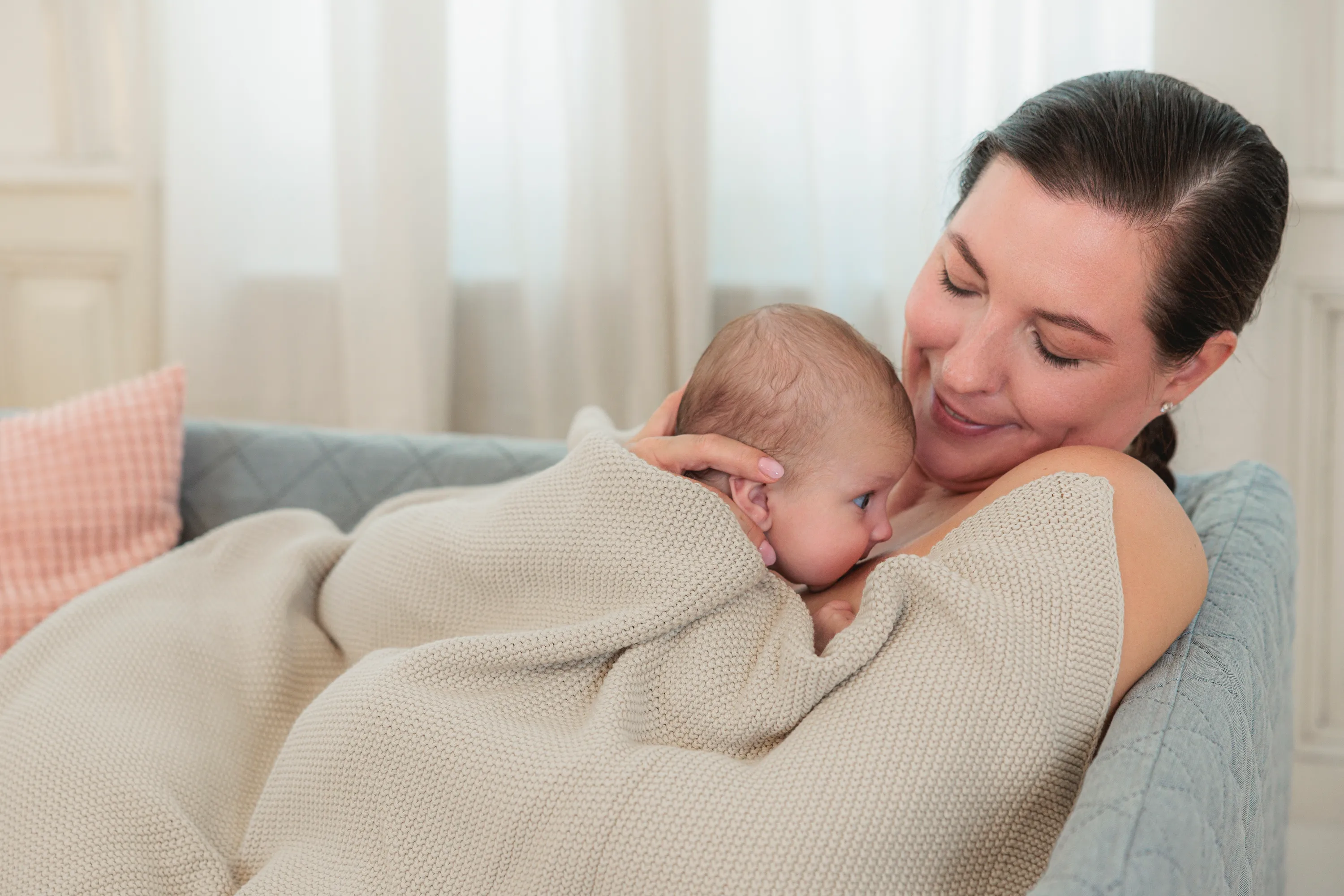
Skin to skin at birth with the mother or second parent has also been shown to promote healthy skin microbiome development.5,6 Continued skin to skin in the postnatal period has continued benefits for the skin microbiome.7 In addition, kangaroo care which is the practice of skin to skin with preterm babies also has positive benefits for the skin microbiome.8 The act of breastfeeding transfers beneficial bacteria from the mother's skin and milk to the infant, further enriching their microbial community.8
Microbial diversity is essential for a healthy skin microbiome. A diverse microbiome can enhance the skin's ability to fend off pathogens, regulate inflammation, and support immune function.9 For newborns, establishing a robust microbial community early in life is crucial as it sets the stage for immune development and skin health. Encouraging these practices provides newborns with exposure to a diverse range of microorganisms, which can promote a balanced microbiome.10
Vernix
Vernix caseosa, often referred to simply as vernix, is a waxy, white substance that coats the skin of newborns at birth. Composed of water, lipids, and proteins, vernix serves several important functions. It acts as a protective barrier against amniotic fluid, preventing skin damage and aiding in hydration during gestation. Additionally, vernix has antibacterial properties that help protect the newborn's skin from infection.11,12
Historically, vernix was often removed both initially at birth by cleaning the baby initially, following by bathing the baby in the first day. Now immediate skin to skin is recommended where safe to undertake. Research suggests that vernix may also play a role in thermoregulation, reducing heat loss after birth.13 While it typically begins to shed shortly after birth, many healthcare professionals recommend leaving vernix on the baby’s skin for a while to maximise its protective benefits.11
Bathing
Moisturisation
At present, the research is mixed on the use of emollients on the newborn skin microbiome.3 The only study to date which has shown benefits of moisturisation on newborn skin with commercialised baby bathing products was funded and conducted by the individual company with large bias involved.16 Currently the recommendation remains to avoid any moisturising products on newborn skin unless advised on an individual basis by a healthcare professional should concerns arise. 15
Protecting the Skin Barrier
The skin barrier serves as the first line of defence against pathogens and environmental irritants. Care practices that promote skin barrier integrity are essential for maintaining a healthy skin microbiome. Parents should avoid using fragranced wipes or cleansers for the first month as these can disrupt the microbiome and compromise the barrier function.17 When the baby is over a month old parents can choose to use a gentle cleanser in bathing products. It is advisable to use mild, fragrance-free, and pH-balanced cleansers specifically formulated for infants.18
Clothing and Environmental Factors
The choice of clothing and exposure to environmental factors can also influence the skin microbiome. Newborns should be dressed in breathable, soft fabrics to minimize irritation and allow for proper microbial colonisation.18 Overheating or excessive moisture can create an environment conducive to harmful bacteria. Maintaining a controlled environment with appropriate humidity and temperature can support the health of the newborn's skin and microbiome. 18,19, 20,21
Discussion
The practices outlined above have a profound impact on the development and composition of the newborn's skin microbiome. Research has shown that maintaining a diverse and balanced microbiome is associated with a lower risk of allergic diseases, eczema, and other skin conditions.22,23 Conversely, practices that disrupt the microbiome can lead to dysbiosis, characterized by an imbalance in microbial communities, which has been linked to various health issues.23 Practices that encourage microbial diversity, such as delayed bathing and gentle cleansing, have been associated with a lower incidence of allergic conditions and skin disorders.21
In conclusion, newborn skin care practices influence the development of the skin microbiome, which is vital for the infant's health and immune system development. By adopting gentler, microbiome-friendly practices, parents can help establish a diverse microbiome on their newborn's skin, laying the groundwork for long-term health benefits. As research continues to unveil the complexities of the skin microbiome, awareness and education surrounding newborn skin care will be essential in promoting not only skin health but overall well-being in children.
This scientific article has been authored by an expert who received compensation from MAM.
Published in October 2025.

References
1. Grice, E. A., & Segre, J. A. (2011). The skin microbiome. Nature Reviews Microbiology 9(4): 244-253.
2. Chen YE, Tsao H. (2013). The skin microbiome: current perspectives and future challenges. J Am Acad Dermatol. Jul;69(1):143-55.
3. Dominguez-Bello, M., et al. (2010). Delivery mode shapes the acquisition and structure of the initial microbiota across multiple body habitats in newborns. Proceedings of the National Academy of Sciences 107(26): 11971-11975.
4. Rapin A, et al.(2023). The skin microbiome in the first year of life and its association with atopic dermatitis. Allergy. 78: 1949-1963.
5. Bäckhed, F. et al. (2015). Dynamics and stabilization of the human gut microbiome during the first year of life. Nature 518(7540): 262-265.
6. Eckermann H, et al. (2024). Daily skin-to-skin contact alters microbiota development in healthy full-term infants. Gut Microbes. Dec;16(1).
7. Serghiou, I., Webber, M., Hall, L. (2023) An update on the current understanding of the infant skin microbiome and research challenges. Current Opinion in Microbiology. 75.
8. Hollister, E. B., et al. (2015). Breastfeeding and the microbiome: a review. The Journal of Clinical Gastroenterology 49(Suppl 1): S38-S41.
9. Govindarajan V et al. (2024) Impact of Kangaroo Mother Care on Skin Microbiome Indian journal Peadiatr 91(3):229-234.
10. Zhang, Y., et al. (2018). The role of microbial diversity in the skin microbiome. Journal of Dermatological Science 91(2): 117-123.
11. Mazzola, G., et al. (2020). Skin-to-skin contact and microbial colonization: A review. Pediatric Research 88(1): 15-23.
12. Rees, A., & Marlow, N. (2014). The role of vernix caseosa in neonatal care. Journal of Neonatal Nursing, 20(1), 17-23.
13. Jost, J. (2016). Vernix caseosa: Its importance and implications. Pediatrics Today, 45(2), 56-60.
14. McGowan, K. L., et al. (2018). The impact of delaying the first bath on the skin microbiome of the newborn. Journal of Clinical Dermatology 26(2): 212-217.
15. Raeside, L. (2022) Bathing newborn infants. NHS Scotland GGC Paediatric guidelines. Jun 13 2025 retrieved from: https://clinicalguidelines.scot.nhs.uk/ggc-paediatric-guidelines/ggc-paediatric-guidelines/neonatology/bathing-newborn-infants/#:~:text=Bathing%20products%20can%20be%20gradually,free%20from%20alcohol%20or%20perfume.Retrieved
16. Haahtela, T., et al. (2016). Health effects of an allergen-rich environment on the skin microbiome. The Journal of Allergy and Clinical Immunology 132(6): 1257-1260.
17. Wang, Y., et al. (2021). Bathing practices and skin microbiome diversity in infants: A cross-sectional study. BMC Microbiology 21(1): 1-10
18. Capone, K., et al (2023). A randomized clinical study on the effects of emollient use on the developing infant skin microbiome and metabolome. Exp Dermatol, 32: 75-77.
19. Scharschmidt, T. C., et al. (2020). The skin microbiome: A novel target for the treatment of atopic dermatitis. Journal of Allergy and Clinical Immunology 145(3): 818-820.
20. Scharschmidt, T. C., & Manley, N. R. (2019). The role of the skin microbiome in the maintenance of skin homeostasis. The Journal of Immunology 203(3): 763-771.
21. González, A., et al. (2018). Skin microbiome and its role in skin health and disease. Microbial Ecology in Health and Disease 29(1): 1530154
22. Kang, D., et al. (2019). The role of the skin microbiome in the development of atopic dermatitis. Journal of Allergy and Clinical Immunology 144(5): 1380-1392.
23. Dai, T., et al. (2020). Impact of skin microbiome on skin diseases: A review. Journal of Dermatological Science 100(1): 2-9 .