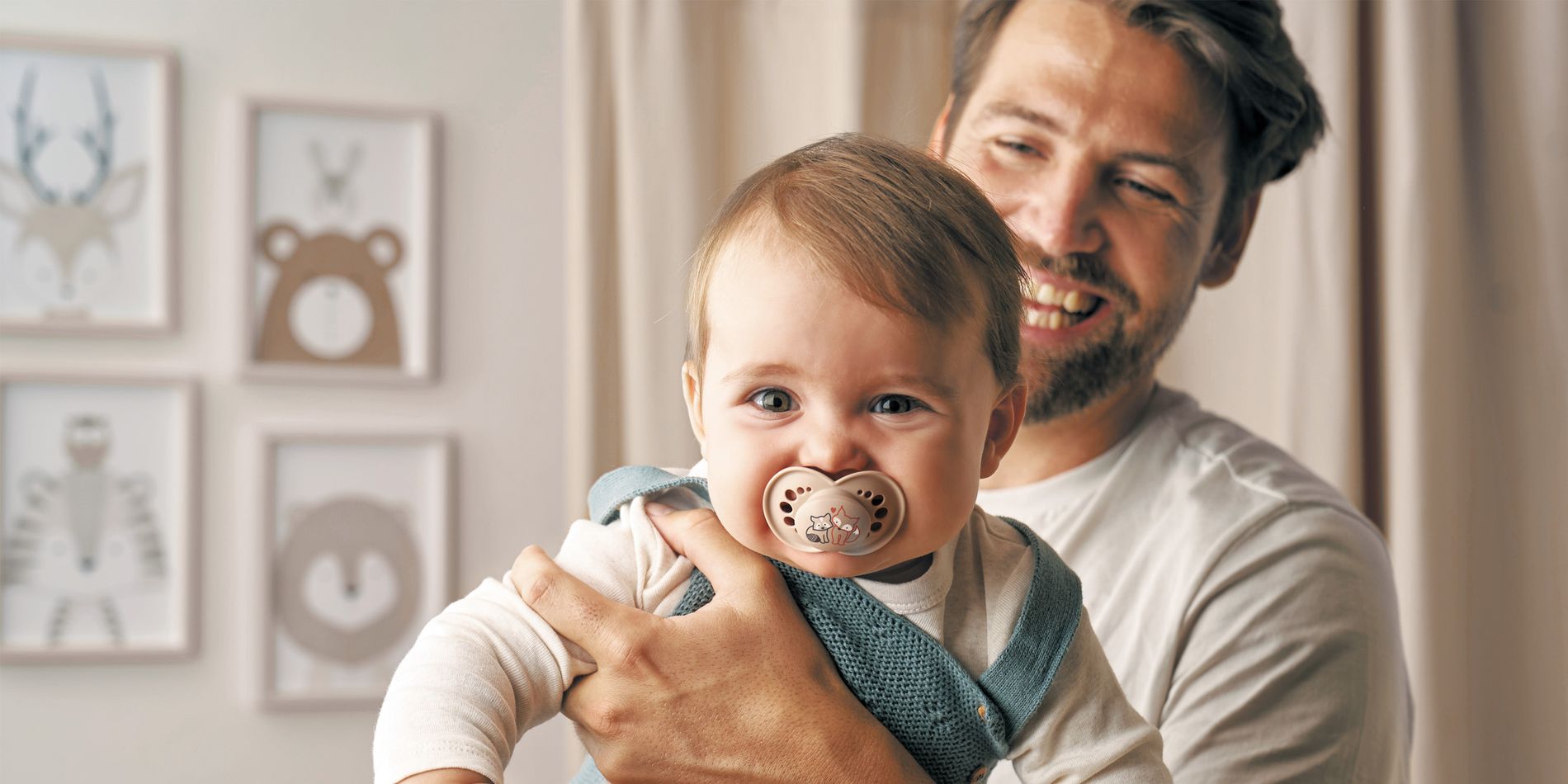
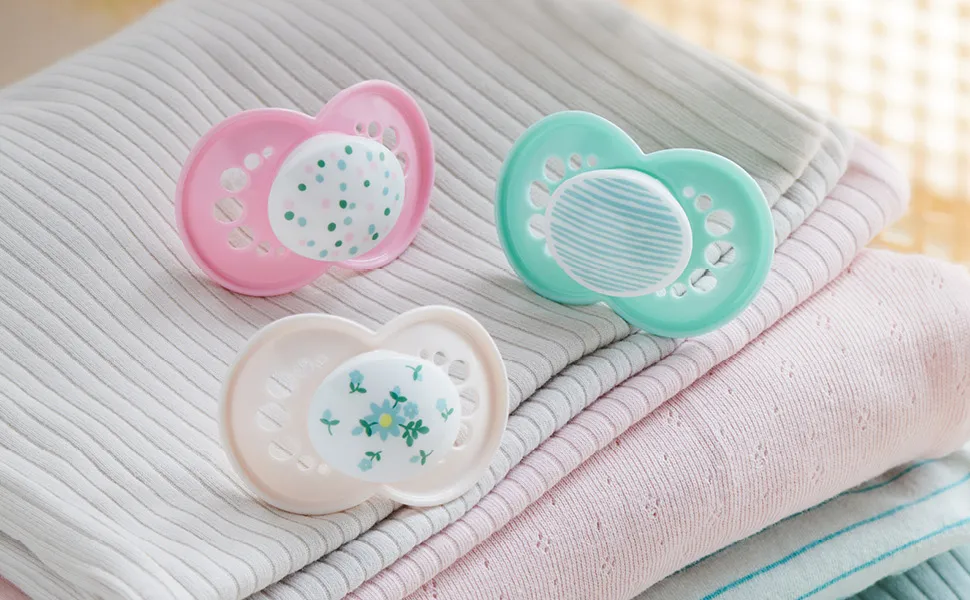
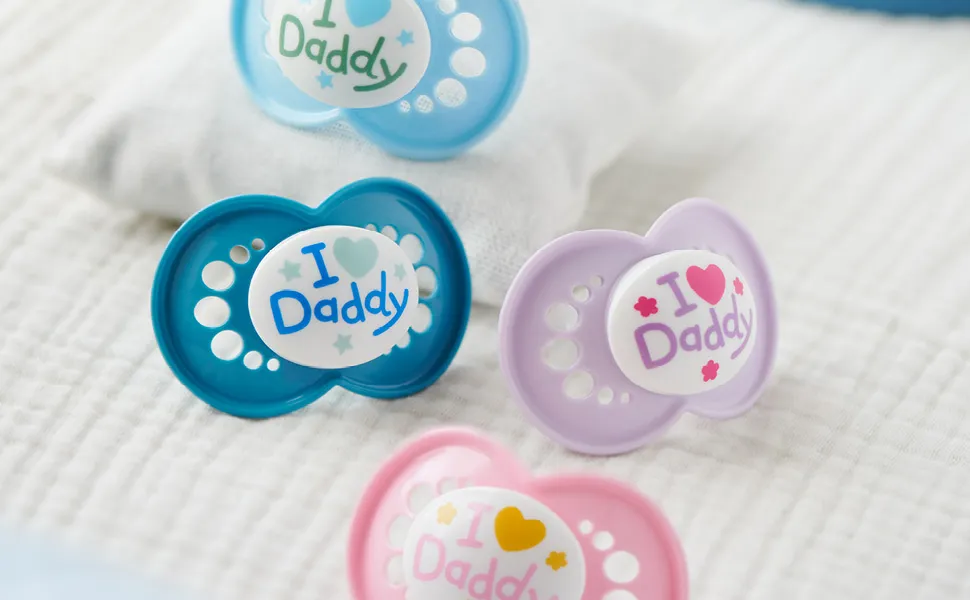
Our MAM Original soother with its thin and symmetrical teat shape is a tried and tested product that has been on the market for many decades. The unique MAM design made with bio-renewable materials combined with the wide range of collections make it a reliable and sustainable soother for every situation.
Orthodontic soother teat
Non-nutritive sucking is an important source of comfort for your baby. Therefore professionals recommend soothers, when breastfeeding is well established. Yet parents often express concerns regarding the potential effects of soothers on their baby's oral development. A particular worry revolves around the thickness and hardness of many soother teats, placing excessive pressure on the teeth and jaw. This can result in misalignment of your baby’s teeth. For the MAM Original soother we developed a symmetrical, thin and jaw-friendly teat small enough to minimize the impact on your baby’s oral development, while still satisfying your baby’s sucking need.

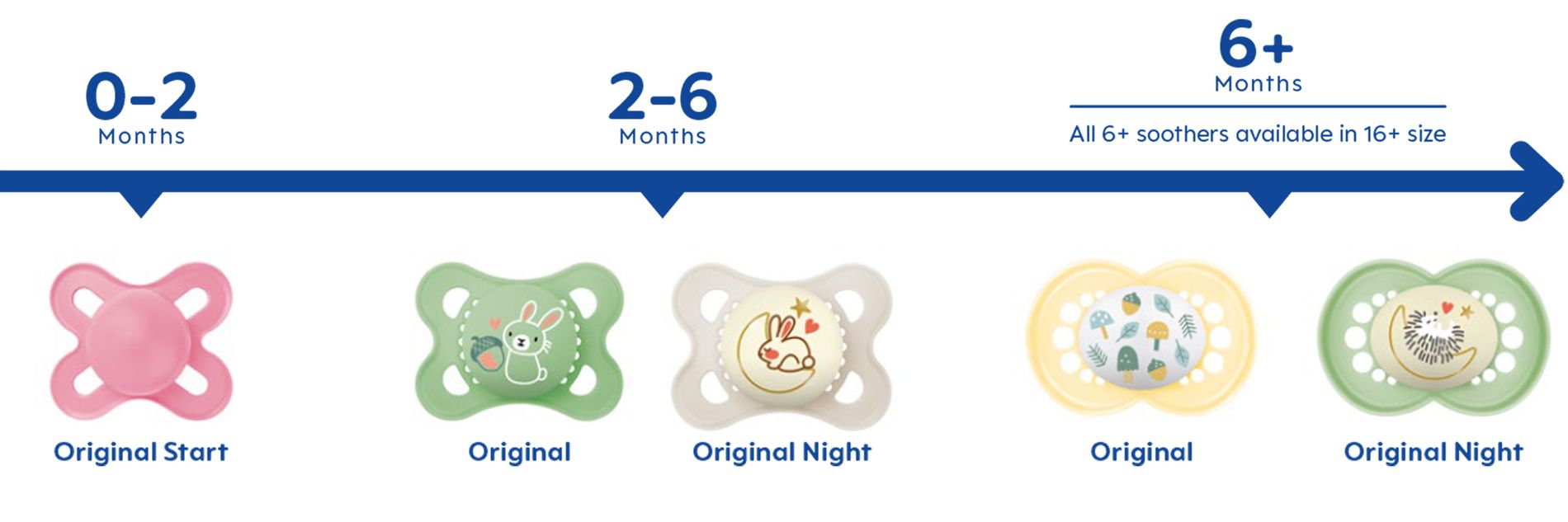
MAM Original soother age ranges
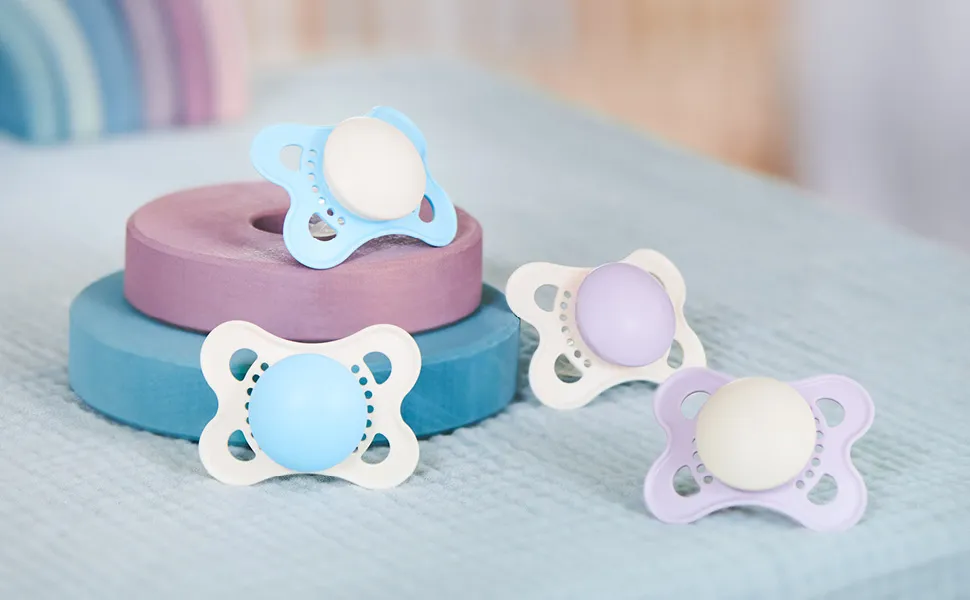
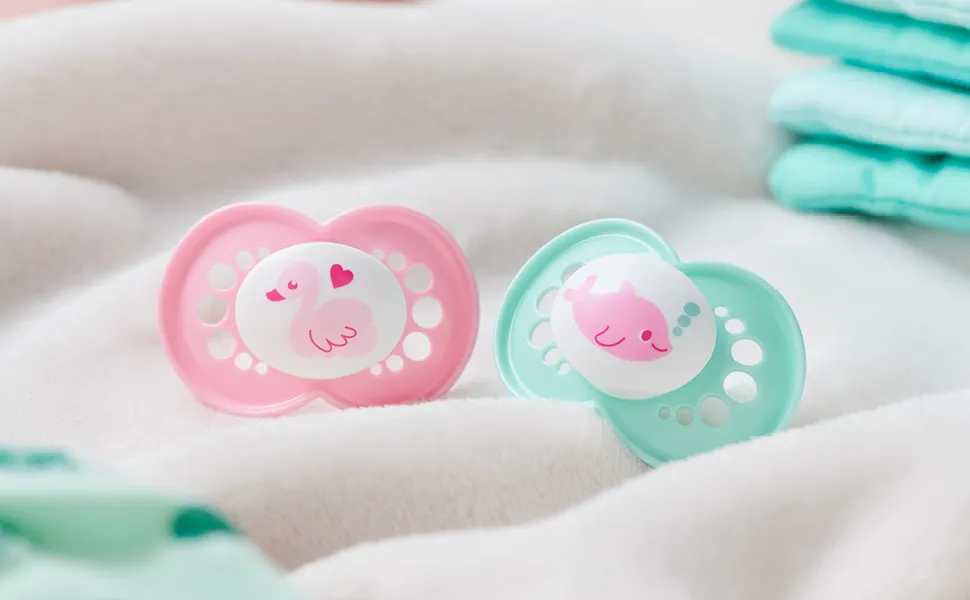
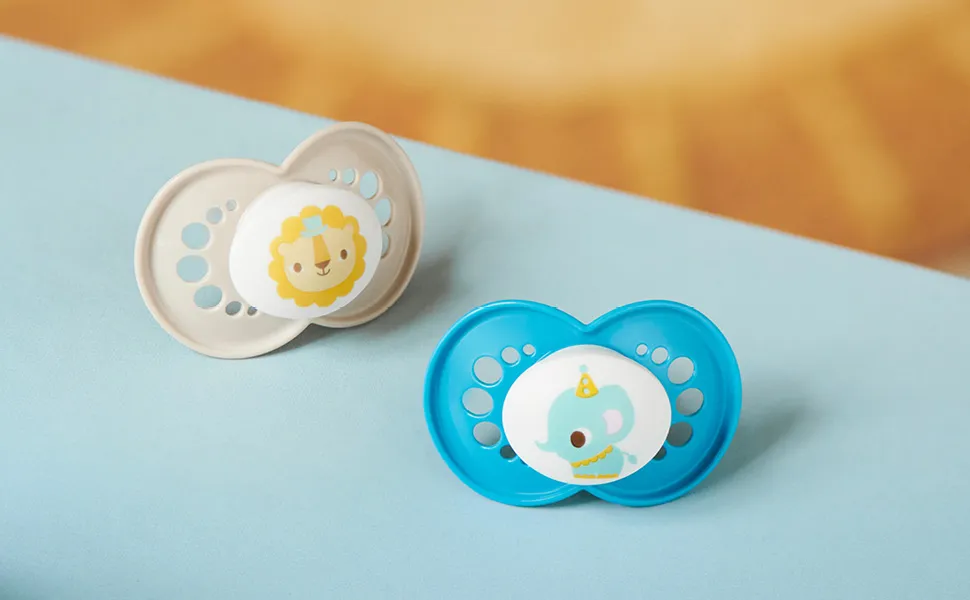
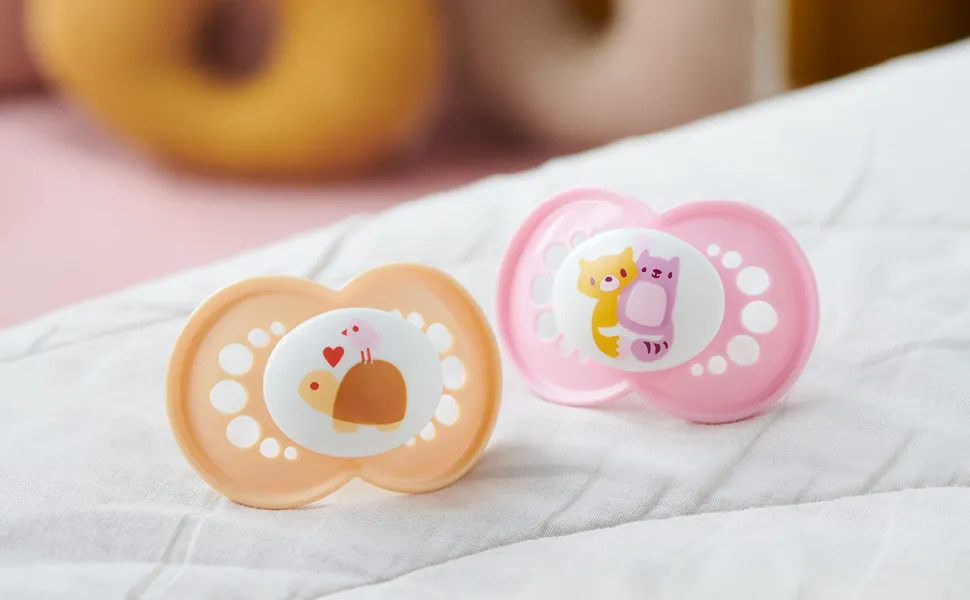
How to sterilise a soother?
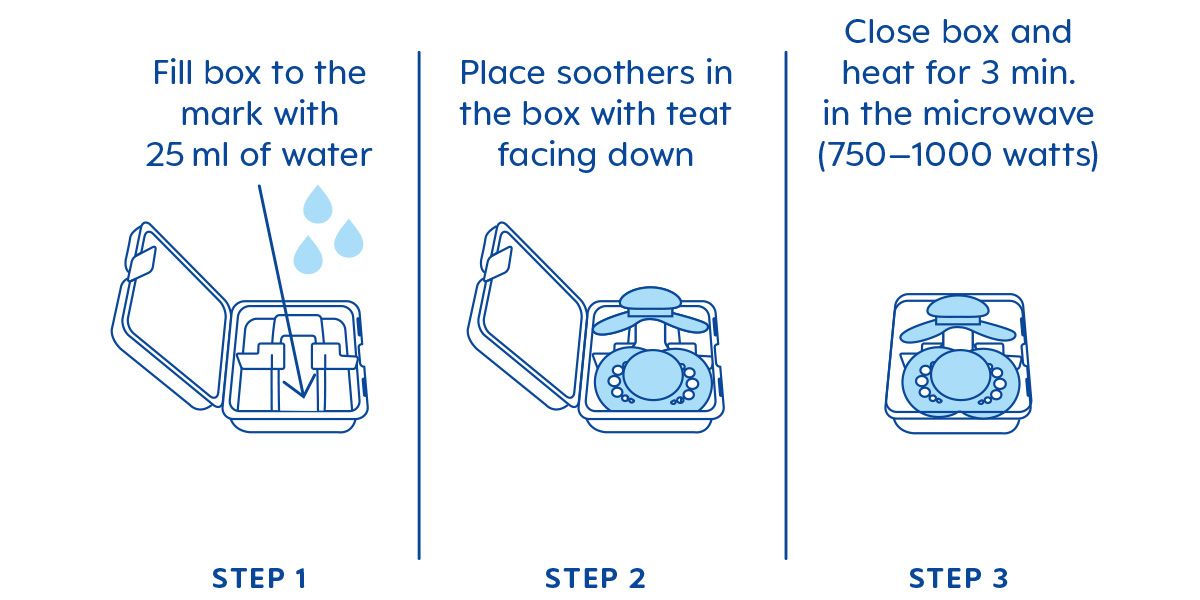
- Fill box with water to the 25ml mark.
- Place soother in the box with the holder.
- Close box and heat in microwave for 3 minutes at 750-1000 watts.
Sustainability at MAM
Products designed for the future
We produce safe products to the highest standards of quality while also focusing on conserving resources. We use plastics that can be traced back to bio-circular raw materials², continually optimise our packaging, and help our consumers reduce CO2 in the use phase of our products.

An integrated approach to climate protection
Short transport routes are an important criterion in choosing our suppliers. We are continually expanding the photovoltaic systems at our production sites, and our sales offices carry out climate protection activities on an ongoing basis.

Social responsibility
Based on our ethical principles, we create safe and fair working conditions and ensure equality of opportunity. We also require the same of our partners. Through our commitment to society, we support the welfare of babies and their families throughout the world.
The term “climate neutral”
Since January 2025, MAM has deliberately stopped using the term “climate neutral” and the offsetting associated with it. This decision aligns with evolving standards and regulatory requirements, which increasingly demand that climate protection be achieved primarily through genuine, verifiable emissions reductions — rather than through compensation measures.
The production of packaging including the label “climate neutral” was discontinued in January 2025. It is possible that some packaging or product descriptions using the term “climate neutral” are still in circulation.
Up to 2025, MAM consistently used the term “climate neutral” in accordance with the three recognized principles: Calculate – Reduce – Compensate. Emissions were systematically recorded in cooperation with ClimatePartner, assessed within clearly defined system boundaries, and offset through certified climate protection projects. Details are publicly available in the ClimatePartner tracking:
Sources:
1.) Clinical Study: Germany, 2016, n=86
2.)Bio-circular raw materials can be traced back to already used vegetable oils as well as waste and residues from vegetable oil production using the ISCC PLUS certified mass balance method.
3.) Global Product Carbon Footprint Study, Austria 2013, conducted by denkstatt.