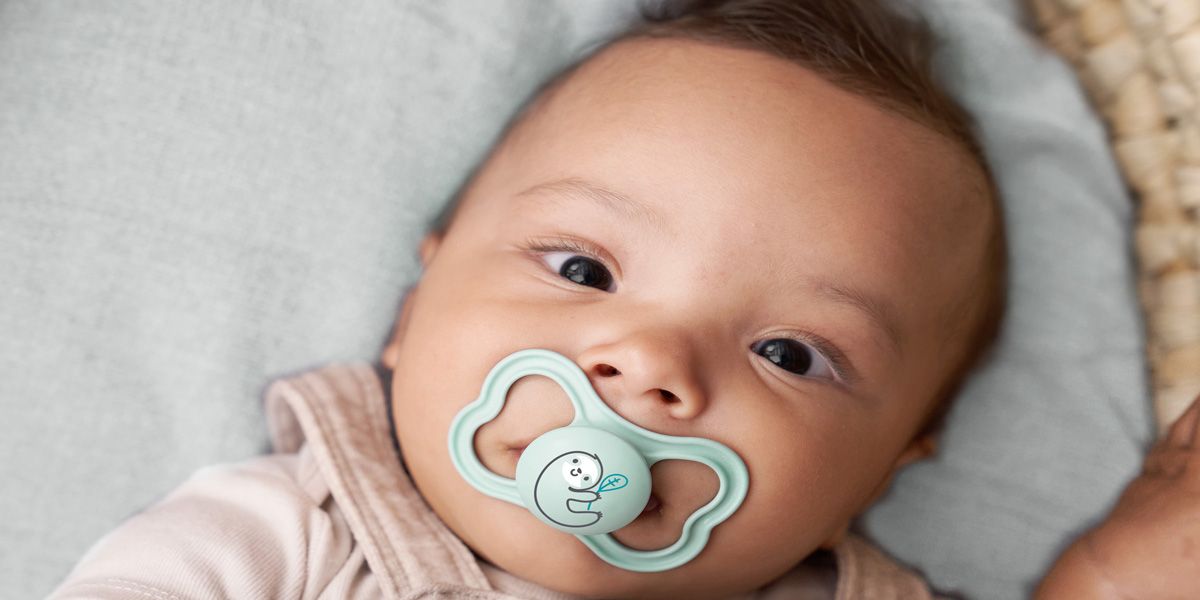
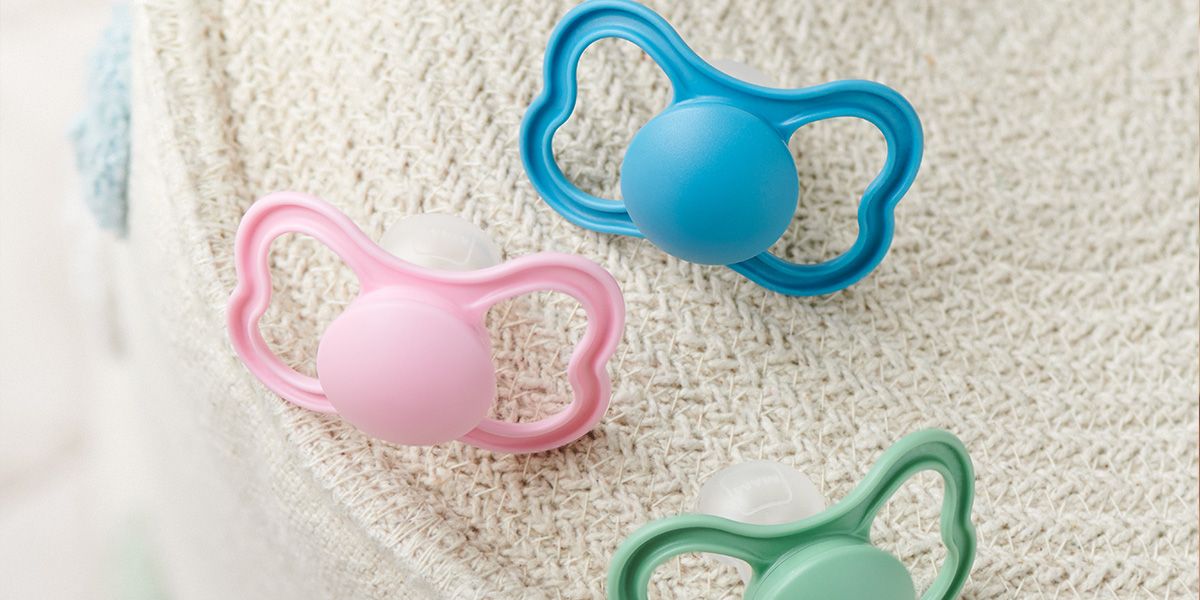
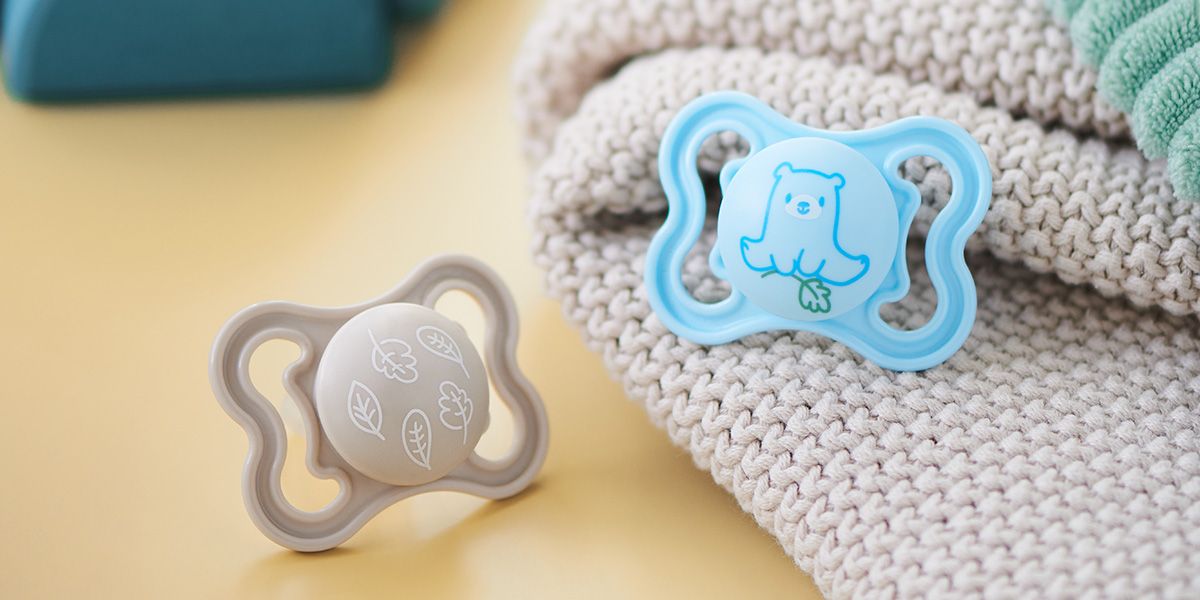
Med utgångspunkt i den mycket populära nappen MAM Original, med symmetrisk, tunn och käkvänlig sugdel, har vi utvecklat nappen MAM Air med samma sugdel men med extra stora lufthål i skölden. Därmed kan du se ditt barns leende och bebisar med extrakänslig hud kan nu också använda napp.
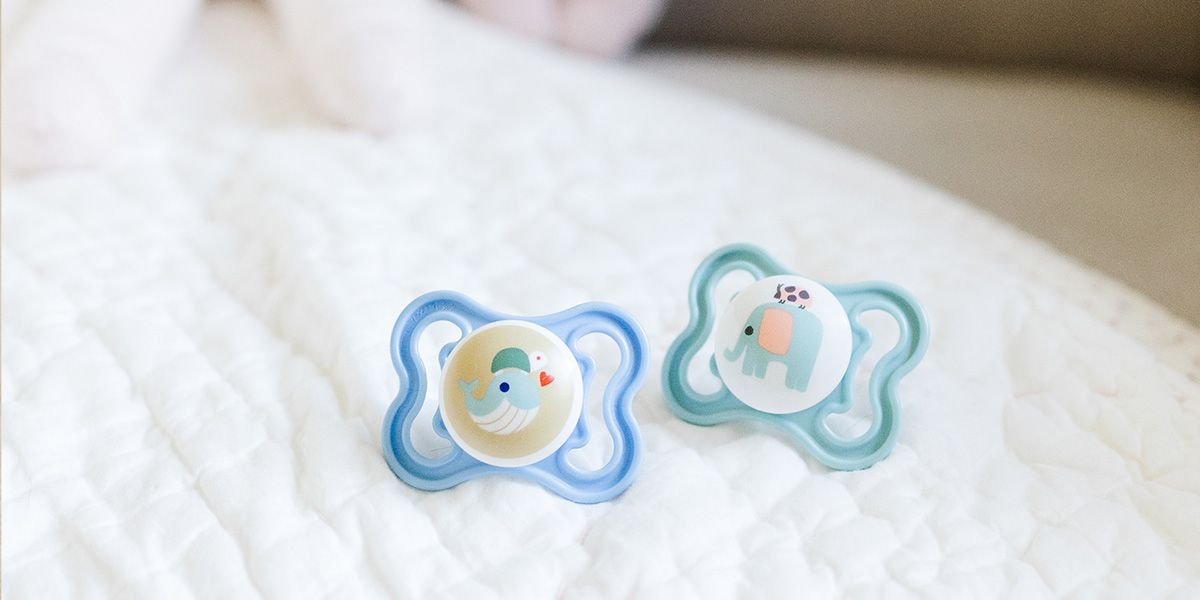
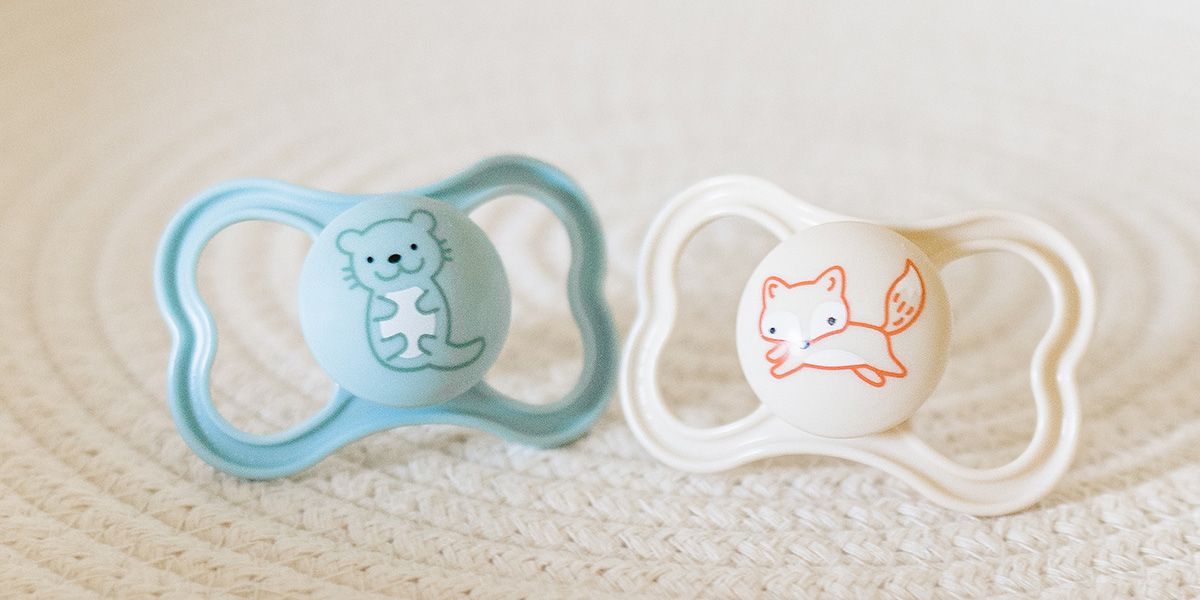
Ortodontisk sugdel
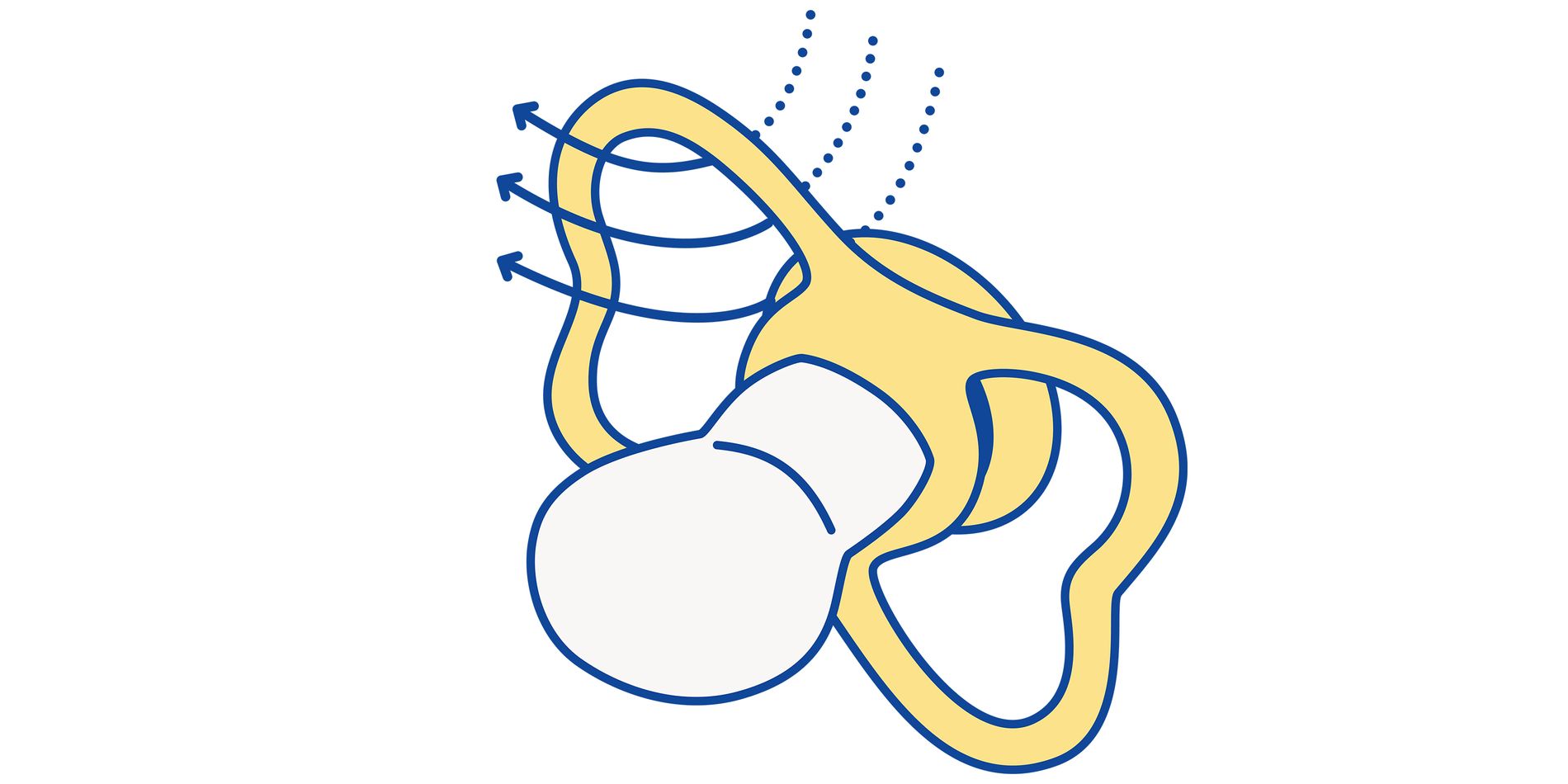
Att suga även utan att äta tröstar bebisar, och det är därför experter rekommenderar att man använder napp när amningen väl har etablerats. Ett problem när det kommer till nappanvändning handlar om tjockleken och styvheten på sugdelen hos många nappar, som kan skapa ett för högt tryck mot tänder och käke vilket påverkar bebisens orala utveckling. Nappen MAM Air har en symmetrisk, tunn och käkvänlig sugdel som är så liten att den minimerar effekten på bebisens orala utveckling samtidigt som den tillgodoser bebisens sugbehov.

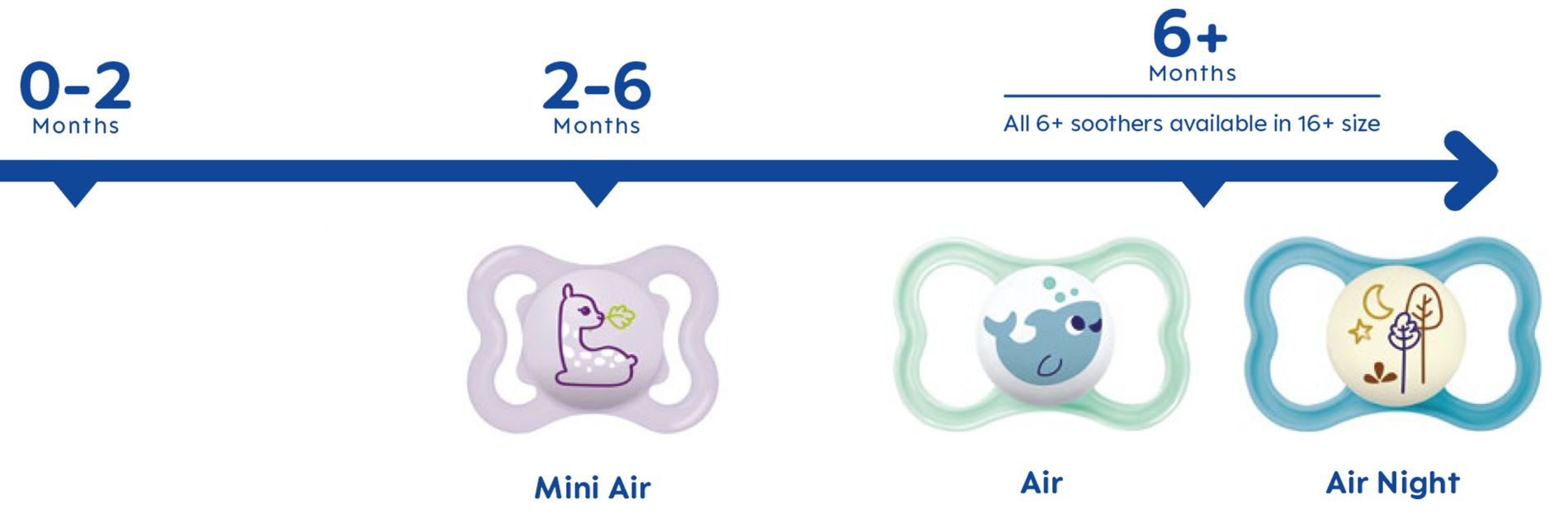
MAM Air – åldersintervall
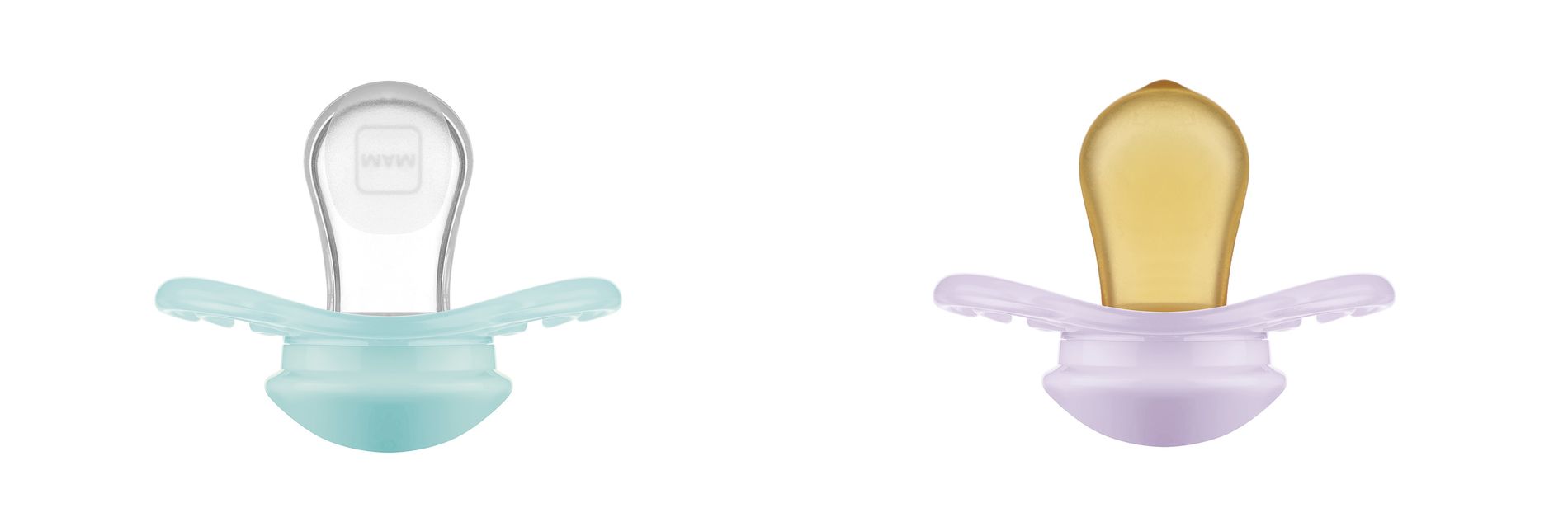
Finns både i latex och silikon
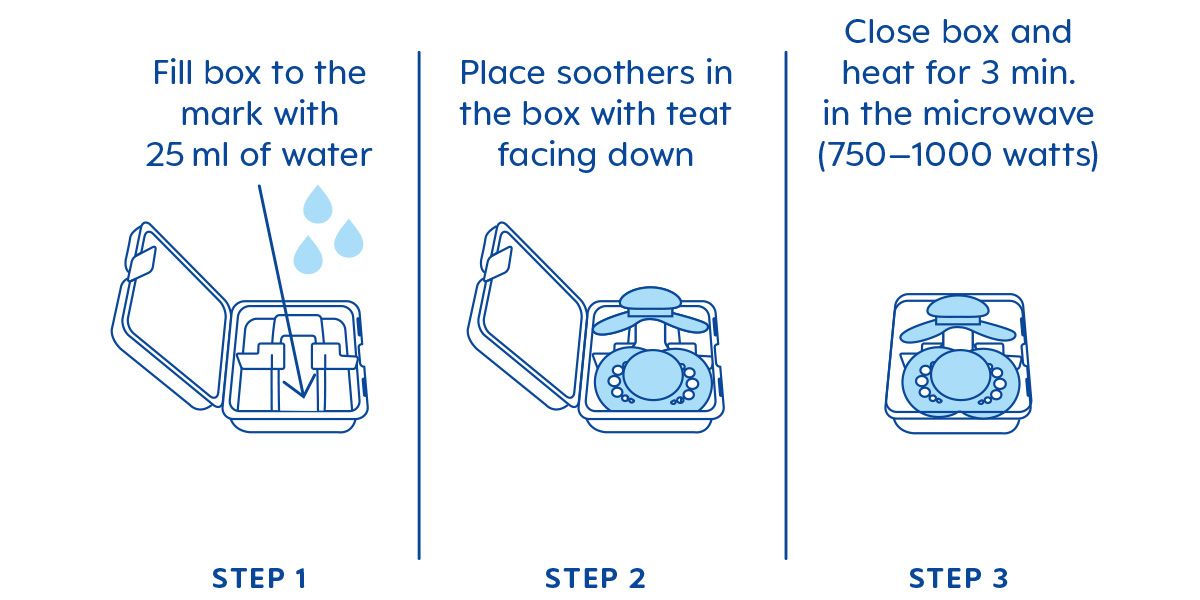
Smidig sterilisering
Sustainability at MAM
Products designed for the future

An integrated approach to climate protection
Short transport routes are an important criterion in choosing our suppliers. We are continually expanding the photovoltaic systems at our production sites, and our sales offices carry out climate protection activities on an ongoing basis.
Social responsibility
Climate-neutral products
We are constantly striving to reduce the CO2 emissions of our products. Of course, this is no easy task and takes time. We have taken a first step by converting some of our products to polypropylene traceable to biocircular raw materials4 and have thus taken an important step towards decoupling from fossil raw materials. Nevertheless, CO2 emissions continue to be generated along the value chain for these products. In order to fulfill our responsibility for climate protection in the meantime, until we have implemented further measures, we are making the CO2 emissions of these products climate-neutral. This is possible through the financial support of climate protection projects.
We have taken the following three steps to make our polypropylene products climate-neutral and traceable to biocircular raw materials4 :
- Calculate: We have calculated the CO2 emissions of our products together with Climate Partner and created a product carbon footprint (PCF): we have considered the raw materials, logistics, packaging and disposal according to the cradle-to-customer plus end-of-life approach.
- Reduce: The use of polypropylene traceable to biocircular raw materials4 saves CO2 emissions compared to fossil polypropylene. In addition, we at MAM are constantly working to implement CO2 reduction measures, such as the expansion of our PV systems and energy efficiency measures in our production facilities.
- Compensate: We offset any remaining CO2 emissions by supporting certified climate protection projects. We work together with Climate Partner to do this. We are particularly keen to support projects that also promote the health and well-being of babies and families worldwide.
More information on our climate protection projects at https://fpm.climatepartner.com/tracking/19613-2205-1001/de
Sources
1 Market Research 2010-2023, tested with 1,588 babies.
² Global Product Carbon Footprint Study, Austria 2017, conducted by denkstatt
³ Based on the ISCC PLUS certified mass balance approach, bio-circular raw materials can be traced back to vegetable oils as well as waste and residues from the production of plant-based oils.
4 Bio-circular raw materials can be traced back to already used vegetable oils as well as waste and residues from vegetable oil production using the ISCC PLUS certified mass balance method.